

18.12.2025
A Text by Sue Jones: This place is a message
This place is a message, 2025
Written by Sue Jones
Essay commissioned by Pandora Syperek and Sarah Wade following the Island to Island symposium December 2023 and reflecting on twenty years as director of the Whitstable Biennale (2002-2022).
The intertidal salt marshes and reclaimed grazing marshes, shallow creeks, saline lagoons, shingle beaches, and wide intertidal mudflats along the Thames Estuary’s Kent and Essex banks form one of the most important ecological landscapes in the UK. It’s a rich and complex ecosystem supporting hundreds of thousands of overwintering waders and waterfowl, an important habitat for rare invertebrates, and spawning site and nursery for fish. Dense seagrass meadows stabilise the Estuary’s brackish, silty sediments, improve water quality, and act as a natural flood barrier.
Much of the Estuary wetlands are covered by international conservation designations, but it’s a damaged and endangered landscape. The vast majority of the UK’s wetlands have gone, mostly drained for agriculture, and in just the last 130 years the Estuary has lost almost half of its saltmarsh habitat, more than 95% of its wild native oyster beds, and up to 87% of its seagrass meadows. The North Kent and South Essex sides of the river have both long been used as convenient sites on the outskirts of East London to site heavy industry and dump rubbish, downriver and downwind. Along the Estuary the towns and villages we live in are sited amidst past and current power stations, oil refineries, chemical and cement works, and mineral extraction sites. Vast historic landfill sites leach contaminants into the air, and into the river as sea levels rise and the coastline erodes due to climate change. Agricultural run-off and raw sewage endlessly pollute the waters.
There are a number of Estuary eco-restoration schemes in place, including the re-establishing of 35,000 hectares of saltmarsh, but this mending is at the same time unravelled, undermined by new developments. These include an extension to the DP World super-port in Thurrock involving further dredging of the delicately balanced Estuary seabed to enable the automated handling of ever larger numbers of vast container ships (the biggest polluters on the planet); the £9 billion Thames Lower Crossing which will create a set of new roads and tunnels under the Thames destroying irreplaceable ancient woodland and emitting millions of tonnes of greenhouse gases; and large-scale fossil-fuel-dependent hydrogen works in the planning.
I moved to the estuarine edgelands of Kent from the East London boroughs of Newham and Tower Hamlets both of which run alongside the Thames, where I grew up and had always lived. When I left London, I’d just finished a decade at Chisenhale Gallery and wanted to continue working closely with artists but in a way that had a more direct connection to place. I was also looking for whatever distance and freedom I could find from the increasing privatisation and managerialisation of the visual arts.
The Estuary lacks some of the drama created by wide expanses of rolling countryside, wild oceans, and summits. Its beauty is to be found in details, in the soft, toned-down greens, greys, and browns and the tiny flowers of saltmarsh vegetation, and in the particular pleasures of brackish water and vast mudflats. Estuarine cohesive sediment is silty with a warm and rotting air, alive with thick layers of nutrient rich decomposing plant and animal material which create a unique ecosystem capturing and storing incredibly high levels of carbon. The Estuary mud is carved by the tides into great flat slabs and billowing mounds, beautiful satiny masses dissected by the snaking shapes of meandering channels of water. Ursula Le Guin writes a short elegy - both tongue in cheek and serious - to mud in Being Taken For Granite. To its qualities, wet, heavy, oozy and generative, how it gives way and accepts, yielding and reacting and therefore how, unlike granite, has the capacity to be uncertain, adaptable and responsive, to be changed, transformed.
The physical and imaginative potential of the qualities of the intertidal zone is also picked up on in Intertidal: A Coast and Marsh Diary, by Yuvan Aves, a naturalist, educator and activist based in Chennai (South India). Aves talks about the metaphorical and metaphysical space of the Adyar Estuary in Chennai, and how the liminal space of the Estuary that is not entirely land and not entirely sea, overlooked and damaged, suggests a way of thinking that is fluid, queer, ambivalent, that goes beyond binaries, encouraging a reflection on the intertidal spaces between 'mind-body, male-female, land-water, good-bad, joy-grief, pain-pleasure, living-non-living, inner-outer, I-other (Intertidal Meditation)'.
In 2012 The New Statesman called Whitstable Biennale a 'peculiar kind of biennial where, instead of the big budget spectacle or highly-resolved monumental works, there is a thoughtfulness about what it means to be an artist, what it is to make art. it’s slightly scuffed around the edges…. its character and strengths are in off-beat, small-scale nuanced pieces that explore the tributaries of the unexpected...'
Being slightly scuffed around the edges, not slick, is I think, important. It’s the nature of the Estuary, and it’s also part of what provides the conditions to be a spawning ground, a space for experimentation. A way of working that might enable artists to take risks and evolve a practice that is about asking questions and trying things out rather than resolving things. It suggests an approach that is uncertain, makeshift, focused on new ideas and things that are layered, complex, and expansive.
The sliver of the visual arts sector in the UK that supports talent development has been damaged and fragmented by the huge austerity-driven loss of funding in the arts since 2010. The reduction in public funding has had a disproportionate impact on individual artists and the small, often artist-led, organisations that directly support artistic practice and the development of new and experimental work. It’s a way of working that also creates opportunities for people to take part in creating new work, and encountering artists that are often unique and can be transformative. If the development of artistic practice, and experimental ways of working, are not invested in, nurtured, it will have a detrimental impact on the whole arts ecosystem.
I’m currently in the process of archiving 20 years of Whitstable Biennale. This essay collects together a small number of the artists’ works that we supported and showed between 2002 and 2022. The works are organised here roughly according to place starting with our base in Whitstable where the festival took place, and meandering along the Estuary upriver where further works were made, or imagined, or sited, in Seasalter, the Isle of Sheppey, Hoo Peninsula, Gravesend, and Northfleet.
WHITSTABLE
Whitstable is a small old fishing town situated on the Kent coastline, at the point where the Estuary starts to widen out into the North Sea. It has little arts infrastructure and hardly any empty space, and so by necessity we folded our Biennale programme into the everyday spaces of the town, working with residents, shopkeepers, skippers, harbour masters, and the custodians of many halls, sheds, black-boarded huts and outdoor spaces to find places we could squeeze work into, sometimes just for a day or an hour, sometimes installing and re-installing around the usual uses of our venues.
Whitstable is fiercely independent, successfully fighting off many chain stores, trying hard to hold onto the look and feel of a working place, amidst the strong currents of regeneration. One of the constants is that due to ancient oyster fishing rights the beach and the seabed that stretches out from the shoreline is owned by the Whitstable Oyster Company. It’s unusual, as the Crown Estate owns virtually all the foreshore and seabed right around the UK out to 12 nautical miles.
Anna Best, Whitstable, Herne Bay, Dover… (2006) [Figure 1]
Whitstable Herne Bay Dover... was a collection of newspapers Anna Best gathered from right around the coastline of the British mainland (full title/list below), from harbour and fishing towns which had local newspapers with the name of the town in their title. The 100 newspapers were shown in a shipping container in the harbour with a simple bespoke presentation system and table and benches made in situ by a local carpenter.
This archive of a random time captured the harbour towns, borders and points of entry and exit to the UK amidst a slow evolution away from industrial usage towards leisure and tourism. It also, unwittingly, brought together a collection of local newspapers not long before digital media started to make most of them obsolete.
Audience members were invited to treat the installation as a library, taking newspapers from the shelf and reading them at the table. Each Sunday through the Biennale, Best sat and read articles from the newspapers as audiences came and went, stories of regeneration, tourism and intolerance, that repeated themselves across the towns.
'Whitstable Herne Bay Dover Folkestone Rye Hastings Eastbourne Brighton Shoreham Worthing Littlehampton Portsmouth Southampton Christchurch Bournemouth Poole Swanage Weymouth Bridport Lyme Regis Sidmouth Exmouth Teignmouth Torquay Totnes Plymouth Truro Falmouth St Ives Newquay Bridgwater Weston Bristol Newport Penarth Barry Port Talbot Swansea Llanelli Tenby Milford Haven Cardigan Aberystwyth Caernarfon Holyhead Bangor Rhyl Birkenhead Bromborough Liverpool Preston Blackpool Fleetwood Whitehaven Maryport Annan Stranraer Girvan Ayr Irvine Campbeltown Largs Ardrossan Greenock Dunoon Oban Stornoway John O’Groats Inverness Banff Aberdeen Montrose Arbroath Dundee Perth St Andrews Alloa Berwick Newcastle Hartlepool Whitby Scarborough Bridlington Hull Goole Grimsby Boston Skegness Kings Lynn Great Yarmouth Lowestoft Ipswich Felixstowe Harwich Colchester Clacton Maldon Southend Sheerness Faversham'
Katie Paterson, Every Night About This Time (2010) [Figure 2]
Every Night About This Time was comprised of thirteen new works by Katie Paterson that ran through the 2010 Biennale, understated and experimental gestures that invited reflection on a grand scale, small interventions in Whitstable that reverberated out to vast and deep time and distance.
The first work took place in the Sahara Desert on the first morning of the 2010 Biennale with Inside this desert lies the tiniest grain of sand, a single grain of sand collected by the artist from the Sahara Desert, chiseled down to 0.00005mm at the London Centre of Nanotechnology, and then taken back to the Sahara and re-buried.
Works then included a lecture at the water’s edge by a cosmologist on stars that no longer exist; a light bulb simulating moonlight to be seen at various times after sunset through the window of a terraced house in the backstreets of the town; and a small notice attached to a groyne on the beach, informing the reader that the last note of Lacrimosa (Mozart’s Requiem) would be played into the Pacific Ocean on the other side of the planet on an upcoming date, which would reach Whitstable waters the following sunrise, and then every day without end.
The final work took place from 8pm to 2am on the last evening of the Biennale. History of Darkness was sited in an old coastguard’s lookout on the shore, looking out over the Estuary waters, dark except for pinpricks of light on the Southend shoreline on the horizon. The work is a 35mm slide archive holding one thousand images of darkness from distant points in the universe, spanning billions of years. Each slide was projected and its distance from Earth in light years read out by gathered audience members, the long numbers becoming a slow and meditative performance.
Ben Judd, Vast as the Dark of Night and as the Light of Day (2014) and The Push & the Pull (2022) [Figure 3]
Ben Judd made two new works for the Biennale eight years apart that both took place on traditional Thames sailing barges out on the Estuary waters. In different ways both looked at the boundaries between ritual and performance, and investigated how temporary and fragile communities might be formed and transformed by being out at sea.
Vast as the Dark of Night and as the Light of Day had at its centre a magic lantern performance and investigated how analogue media might particularly invite close attention and participation. Taking place below deck in the large hold of the barge, performers played instruments to accompany a sung text that was comprised of excerpts from literature that describe journeys, the narrative arc of setting out on a voyage and returning. This was mirrored in the structure of the performance, suggesting a trip away from and back to a starting point, that in turn mirrored the physical trip that the boat was taking. The slides were original Victorian painted slides that reference the first time that people saw projected moving images, and also mirrored some of the ideas in the work connected with closeness and distance, the collective and the individual.
The Push & the Pull was created in collaboration with community groups and took place over five days, sailing between Whitstable and the Isle of Sheppey with performances on the boat and on land at both ends of the journey, and further developed themes of belonging and not belonging, exploring ideas around community and islands, both real and imaginary. A specially made architectural structure, a ‘boat as island’ was attached to the deck of the barge and extended below deck.
Louisa Fairclough, Compositions for a Low Tide (2014) [Figure 4]
Compositions for a Low Tide took place on a shingle bank on the edge of Whitstable called The Street that stretches between the waves out into the Estuary for up to a mile at low tide. The work took as its starting point the sketchbooks of the artist’s sister, Hetta Fairclough, also a practising artist who had committed suicide a few years previously. Words taken from entangled sketches and drawings in the sketchbooks, which Louisa calls ‘sculptural assemblages and visual poems’ were incorporated into a new choral work devised with experimental composer Richard Glover. What Shall I Do With My Hands and Can People See Me Swallowing lifted and translated into the new work becoming the conduit for an intimate and intense exchange between Fairclough and her sister’s words.
The work was performed by boys from the Rochester Cathedral Choir, walking out along the spit with their choir leader in scarlet cassocks and white neck ruffs, in amongst the audience, as the light turned slowly towards dusk. This was the first time the choir had sung outside, or while walking, and the first time they had tackled a new, contemporary composition, all of which added layers to the rawness of the performance, the unaccompanied sung words carried across the sounds of the waves and the wind and the crunch of the shingle underfoot.
Margaret Salmon, Oyster (2014)
Oyster, a short film shot on 16mm, focuses closely on the Whitstable native oyster and explores its form and fragility, from the growing and harvesting processes of the oyster trade, to its current and historical use in food, and the ecology of its habitat. The film was shot slowly, partly in Salmon’s studio, both a nature documentary and almost abstract. With a gentle and intuitive technique, Salmon captures an aged oyster fisherman in his home, a fisherwoman working on a boat out at sea, close-up underwater footage of sea creatures, and slow hazy seascapes, exploring through the lens of the oyster how we imagine the sea and our relationship to it.
Shown in the working Sea Cadets’ Hall around its day-to-day work with young people, the film was accompanied by a flip book, reconstructing the basic principles of film-making and looking at two different aspects of the oyster.
Sarah Wood, Boat People (2016) [Figure 5]
The Biennale in 2016 was staged in the days leading up to the Brexit vote which held particular resonance in Kent, located closer to the mainland of Europe than to most of the rest of the UK, and intensely affected by the refugee crisis as it was played out - and continues to be played out - out across the narrow channel of water between Kent and the French coastline. We took Rebecca Solnit’s book The Faraway Nearby as a touchstone and title for the festival, a book about connection and estrangement, with Solnit’s title itself taken from a letter written by Georgia O’Keefe about physical and psychic distance and loss. A public reading of the book was held during the festival, a chunk read out every morning in the festival café by audience members (and the final chapter a recording especially made by Solnit). Many of the new works made for the 2016 Biennale reflected, in one way or another, on how we find home, a place where we belong, and especially Sarah Wood’s essay film, Boat People, which set out to explore the meaning of welcome and the age-old possibilities of hospitality from within a country gripped by sudden political insularity.
Boat People took as its starting point the historic version of Britain as a seafaring island nation and looks at this against the backdrop of escalating movements of people across the world escaping conflict and environmental catastrophe, asking whether contemporary thought is anywhere near catching up with this newer reality. The film was installed in a traditional black-boarded fisherman’s hut close to the water’s edge in the Harbour. Inside the roughly made small space a monitor sat on a perfectly made chipboard plinth, the film telling the long story of human migration with found still and moving images from film and archives. Olivia Laing wrote at the time, in Frieze:
'It worked a kind of magic, that film, a rehumanizing spell, telling the stories of actual people and setting them within the context of Admiral Nelson and J.M.W. Turner, of Britain’s long, salt-spattered centuries at sea. For a minute, sitting in that close, dark space, I had a sense of openness, of light. Among the found footage of boats and waves, a repeating image of Derek Jarman’s hands, stringing a necklace of flints in the bright butter-yellow gorse of his garden at Prospect Cottage, Dungeness. We don’t have to live like this. There are other ways to conduct yourself, to apprehend the world'.
Dipesh Pandya, Muhājir (2022) [Figure 6]
We first worked with Margate-based Dipesh Pandya on a residency in Gravesend and Northfleet that resulted in a series of intricate Instagram posts and a radio show which included fragments from a major series of interviews Pandya undertook in North Kent and beyond. We then commissioned Pandya to make new work for WB22, a series of multi-media works including film, sound, text, installation, and performance, and involving three of Pandya’s alter egos - Swan Nemesis, Nina Radio Tapes, and Ice Cream Mafia.
Muhājir (2022) was an industrial road-side sign, of the temporary LED type that can be towed to a site and warns of upcoming roadworks or accidents, and programmed remotely with text. The sign was installed within the Harbour’s aggregates factory complex against a backdrop of piles of dredged sand and gravel. It was to be seen and read by audiences and passers-by across the harbour and was on view through the festival 24 hours a day, a scrolling text that the artist spoke of as an incantation, a compelling piece of writing, punchy and confrontational, lyrical and thoughtful, about immigration, intolerance, racism, a narrative of migrant experiences.
Pandya says of the work, that it 'warns of a possible near future where the movement of people, culture and ideas is further restricted, Muhājir is an act of resistance… rooted in the instrumentalising of citizenship and cultural identity promoted through increasingly oppressive and violent laws weaponised into hostile environments specifically targeting people of the Global Majority'.
Sara Trillo, Swept Away (2024) [Figure 7]
Swept Away was a new work made (as a one-off event) in 2024 to mark the end of Whitstable Biennale, reflecting on the processes and meanings of archives, local mythologies and folkloric customs, and changes to the coastline along the Estuary that continue to impact Whitstable.
The performative walk took a circular journey around Whitstable, a route taking little known paths, tracks, and back alleyways, from the high ground of the thirteenth century All Saints Church slowly down to the water’s edge. Oak and pomegranate had been used to dye textiles for costumes, and participants carried cob nuts, oak galls, marcasite, and monkey puzzle tree seeds. Monkey puzzles are an animate fossil, a link with the tropical landscape of the Eocene era roughly 50 million years ago that the fossil rich London Clay of Whitstable has provided evidence for.
We walked accompanied by rituals and a narrative that Trillo drew from historical events and site-based research connected to submerged settlements, land reclamation, and hidden water. Back at the church at the end of the walk each walker received a unique clay token made by Trillo, given in the spirit of a pilgrimage.
SEASALTER
Seasalter lies just to the north of Whitstable, a low-lying village and extensive saltmarshes, its name derived from its importance in Iron Age salt production. The Sportsman is sited here between the saltmarshes and the Estuary waters, a ramshackle weather-beaten pub with informal service which has nonetheless held a Michelin star since 2008. Ingredients are sourced from the surrounding land and sea to create food which the Michelin Guide terms 'an understated level of complexity'.
Clio Barnard, Plotlands (2008) [Figure 8]
The train that runs between London and Whitstable makes its way through the large area of coastal marshland just outside Whitstable that is Seasalter Levels. Now an RSPB Reserve, at one time a thriving plotland community lived there, but the shacks, livestock and caravans had gradually disappeared, by 2008 leaving only a few abandoned and burnt-out shacks, wooden huts and overgrown plants, marking out what were once gardens.
A short film was made of the burning of a shack which had been constructed from collected waste materials and was show on a huge screen on the marshes on a Friday evening, to be seen across the marshes at dusk by passengers on the Whitstable and London trains. As each of the trains slowed down as usual to go through the marshes, the screen could be seen in the distance in the landscape, the film showing the ritualistic burning of the shack.
Accompanying the film was a small publication, a copy of which was to be found on each seat of each of the trains. The publication collects together excerpts from extensive interviews Barnard had undertaken with plotlanders together with writing from anarchist Colin Ward’s book Arcadia for All in which he examines plotland communities as part of alternative housing methodologies and the social landscapes they create. The publication also includes drawings, photographs, and press cuttings from local newspapers about the plotlands.
The work marked the end of the marshland community, and was an exercise in documenting the place and the implications this now defunct, makeshift and marginalised community of plotlanders might have for our future, and the imaginative possibilities opened up by its unofficial status and invisibility on the edges.
Libita Sibungu, Sand-worm (2018)
Raw materials are often at the centre of Libita Sibungu’s work, the clay and mud, rock, silt, and sand that feature heavily in colonial and capitalist extraction, how migration reverberates through the deep time of geology, and how bodies are implicated, impacted. She spent a week in residency in the marginal and shingly, marshy intertidal spaces just at the edges of Whitstable, that she termed an interesting and luscious 'territory between stone, mud, marsh, water, and greenery. All kind of blended and clumped', and mixed up with oyster politics, ideas about land occupation, and a culture of weaponised nostalgia, especially around Brexit.
These ideas became a short text for the 2018 Biennale, in a fold-out publication, with green algae and mud on the outer side and worm tracts on the inner side. The publication holds a strong sense of texture, visceral and slimy, muddy and salty and sucking, slipping, lapping, losing edges. Sand-worm was placed on a condiments shelf in Whitstable’s fish market, to be picked up through the festival.
Nicole Bachmann, shell of hope, in cycles (2022) [Figure 9]
Nicole Bachmann’s practice is grounded in writing which becomes the starting point and material for performances and sculptures which encompass her interest in utterance and performative text. shell of hope, in cycles (curated by artist Keira Greene) was a performance bringing together movement and voice, with a text of inter-related issues connected to the sea, hostile immigration policies, and water pollution, and asking how the concept of borders might impact the development of identity in such a place, and what the role of the physical, natural and historical environment is in these issues?
The performance was staged in the Seasalter intertidal zone at low tide, where the shingle meets the expanses of mudflats. The four performers represented states of mind connected to grief, anger, fragility, and optimism for Bachmann, creating a narrative of separateness and togetherness through their movements. A web of phrases was repeated and dropped, 'it’s not for everyone', a fragmented conversation between the four performers, a chorus of voices, on their own and overlapping, at times coming together and at other times dissonant.
THE ISLE OF SHEPPEY
The Isle of Sheppey (sheep island) has an other-worldly, precarious feel, known now from the outside – if known at all – for early aviation development, its three prisons, numerous static caravan sites, and 3,000 acres of marshland nature reserve. In a generation Sheppey has lost its dockyard, marina, cement works, seaside tourism, and 50 acres of steel works. Patrick Wright’s recent book The Sea View Has Me Again considers what this small island off the mainland has to tell us about how the UK is changing, of places written off, of the practical solidarity and how resourceful the pioneers of post-industrial society can be, through a consideration of how one of East Germany’s greatest and most influential post-war writers, Uwe Johnson, came to spend his last decade in Sheerness in the 1970s.
Savinder Bual, Fade and High and Low (2022) [Figure 10]
Two new water-powered analogue works were inspired by time Savinder Bual spent in residency on the Isle of Sheppey, and an ongoing interest in the engineering advancements of the eighteenth and nineteenth centuries, mechanical inventions which were effectively new forms of colonial control built to control and harness time, tides, and the elements.
Both works were shown in gallery spaces at the Horsebridge Arts Centre in the centre of Whitstable. Fade (made for a solo show at Peer Gallery in 2021) is a water-powered slide projector taking the first self-recording tidal gauge as its starting point, which was created at Sheerness using pulleys, cogs, and a pencil to record the movement of a float in the sea on a revolving cylinder of paper. Fade projects the slide of a seascape onto the wall. Dripping water controls a shutter that rises and falls like the tide, so that the slide is slowly flooded and the image disappears, as if sunk underwater.
High and Low is a group of three kinetic sculptures made from steel, bamboo and glass. Water poured into a galvanised steel bucket at the top of the structure gradually makes a slow descent through bamboo pipes which tilt as they fill with water, and glass receptacles which spill over steel plates until the water finally reaches another bucket on the floor. Sound is important in both works, the uneven and musical constant dripping of water onto metal resonating around the space.
Adam Chodzko, Ghost (2010) [Figure 11]
Ghost is a kayak made from hundreds of strips of Alaskan yellow cedar, western red cedar, Fijian mahogany, oak, ash, olive and walnut, described by Adam Chodzko as a sculpture, coffin, costume, and as a vessel for the living to visit the dead. Hand-built (by Glyn Edwards, an expert kayak maker, and a harbour master in Whitstable where Chodzko is also based), the passenger lies flat with their head slightly raised in a cockpit at the front of the kayak and a paddler, often Chodzko, sits behind as the ferryman and rows. The trips are undertaken in silence, for an audience of one at a time, and a simple video camera installed on the front records footage from the vantage point of the kayak, just above the water level.
The first outing of Ghost was at the 2010 Biennale (and in partnership with Queenborough Rowing Club) where the kayak ferried people out to and around Deadman’s Island which lies just off the coast of the Isle of Sheppey at Queenborough. This actual isle of the dead was a burial site in the eighteenth and nineteenth centuries for the bodies of convicts (often minor offenders as young as 8) who had died, often from dysentery and cholera, on the overcrowded floating prison hulks moored nearby. Due to coastal erosion and rising sea levels open coffins and human bones are now exposed on the island, which can’t be landed on as it’s a restricted SSSI, and an important site for breeding birds. When it wasn’t out at Deadman’s Island, Ghost was exhibited in an old pub on Whitstable High Street for the Biennale, alongside two related films by Chodzko, Echo (which imagines a relationship between Governor’s Island, New York and Deadman’s Island), and The Pickers (which takes rural Kentish footage of migrant workers, twentieth century Romanian strawberry pickers juxtaposed with archive footage of hop pickers).
HOO PENINSULA
The Hoo Peninsula houses, amongst other things, five power stations, four oil refineries, three oil storage tank farms, two gas plants, a submarine power cable from the Netherlands, a small deepwater container port, and the 128-hectare site of a now-closed major explosives factory. It is home to nationally and internationally protected wildlife sites including the largest heronry in the UK, and a significant nightingale population, sited on former cement works and military land. Much of the landscape is marshy and watery, crisscrossed by natural inlets and creeks, fresh pools and salt water pools in the hollowed-out clay quarries, and human-made dykes and ditches.
Mikhail Karikis, Ain’t Got No Fear (2016) [Figure 12]
Ain’t Got No Fear is a film created by Mikhail Karikis with a group of 11-13 year-old boys growing up in the militarised post-industrial marshland of the Isle of Grain, which is the furthest edge of the Hoo Peninsula. The film was created over a long period of exploration and collaboration with the boys.
Using as their beat the persistent crushing noises of the demolition of a power plant next to their village, the boys of the Isle of Grain sing a rap song they have written with Karikis about their lives, from recalling memories of being younger to imagining their future stretching out towards old age. The camera follows the young people through their local landscapes including secret underground hideaways, and features their rackety reclaiming of the local site where teenage raves used to take place. Structurally the video oscillates between a music video and observational documentary footage, and gives a glimpse into the way the teenagers reclaim and re-imagine industrial sites, with a form of spatial justice defined by friendship and play and the thrill of subverting authority and evading adult surveillance.
The film was first shown in Grain Village Hall, and then installed at Whitstable’s youth centre for the 2016 Biennale. The work had to be taken down after each weekend and re-installed for the next, to allow the youth centre to operate during the week, however, due to lack of funding it was closed in 2024.
Dzifa Benson, Afterwardness (2022) [Figure 13]
We first worked with artist and poet Dzifa Benson in 2021 on a project sited at the thirteenth century St James’ Church on the marshes in Cooling, a programme of recorded poems Benson put together to be heard in a tiny side vestry completely covered in thousands of cockle shells. In the Mouth of the River: Water, Empire & Rebellion included seven poets whose heritages came from India/Pakistan, Argentina, Ghana, Zambia, England, Iran, and Nigeria, and connected the voice of the River Thames to its role in Britain’s colonial past, taking water as a disseminator of history, language, communication and emotion, for example, a poem by Yomi Sode titled La Porte du Non-Retour [The Door of No Return] the reader/listener can imagine how slaves may have been carried down a river somewhere far away in West Africa, transported across the ocean, then entered the UK through the Estuary on their way upriver to their final destination in London.
Following this, as poet-in-residence for the Biennale in 2022 Benson put together a programme which embedded poetry through the town in many indoor and outdoor spaces, and included 21 British poets with heritage spanning Iran, Argentina, Ethiopia, Ghana, Pakistan, Jamaica, India, Ireland, England, Nigeria, Brazil, Italy, Zimbabwe, the Netherlands, China, Poland, Austria, Canada, Zambia and Somalia.
We took the title for the 2022 Biennale, Afterwardness, from a sonnet by the Iranian-born British poet Mimi Khalvati which tells a story of loss, migration and distance, and the personal longing for a homeland, which was written across the tarmac of the central quay of the Harbour. Poetry was printed on the black flags of cockle-fishing boats, and as a series of haikus by open water swimmer Leo Boix written along the West Quay in between the (widely ignored) No Swimming signs.
Roger Robinson’s poem My Grandmother Was A Beige Church Hat, in which he remembers his grandmother steaming the oil out of chips from the chippie and re-frying them in butter, was printed on the large sheets of paper that wrapped fish & chips at V C Jones; and a new site-specific poem by Benson was sign-written with semi-permanent ink onto a wooden jetty near the West Quay of the Harbour. The poem is about the simultaneous invisibility and hyper-visibility of Black women, and asks a direct question of the sea. The text was gradually exposed line by line on the jetty as the tide went out, disappearing slowly as it came back in, and fading gradually, traces still just visible months after the Biennale. The poem, then What If and now retitled Raft, is the very last in her first major poetry collection, Monster, published in 2024.
Mike Nelson, Artist Walk #3 Cockleshell Hard (2016) [Figure 14]
This was the third in a series of artist walks curated with Adam Chodzko and the (now defunct) Fine Art Department at the University of Kent in Chatham. The walks were a way to explore the Estuary landscape and engender informal conversations about artists’ ideas and practice, between artists and participants and place.
The walk began at the jetty at Cockleshell Hard which is at the edge of the Peninsula. The walk passed by Grain Power Station, headed north along the shore, through abandoned and overgrown car parks and decaying gun emplacements, and then made its way out onto the mudflats and across the causeway to Grain Tower. The mid nineteenth gun tower lies about 500 yards offshore on the Grain Spit tidal sandbank, at the mouth of the River Medway. Once we got out to the tower many of the walkers (unexpectedly) climbed the vertiginous and rusting ladder up to the tower. We then headed back to shore, past Grain Fort to Grain Village, and ended in the sixteenth century Hogarth Inn.
GRAVESEND
The Thames becomes less brackish and more marine as it narrows and flows past the point of Gravesend (on the Kent side) and Tilbury (on the Essex side). Gravesend and Tilbury are significant places in the development of Britain’s colonial empire, sites of strategic ports, docks, and forts. Elizabeth I gave The Tilbury Speech in 1588 at the very start of Britain’s colonial empire, and Tilbury is where the HMT Empire Windrush landed in 1948. Steve McQueen’s short film Gravesend made in 2007 focuses on the contemporary extraction of coltan in the Democratic Republic of Congo and is a powerful reflection on neo-imperialism, with the title connecting the work back more than 100 years to Joseph Conrad’s complex and controversial tale of brutal colonialism in the Congo, Heart of Darkness, which is told on a boat moored at Gravesend, waiting for the tide to turn.
The two artworks below, sited at and starting out from Gravesend, were commissioned as the Biennale looked towards its final edition in 2022 having evolved into a new iteration as Cement Fields. Both works were made within large-scale partnerships made up of arts organisations and regional/national strategic bodies, England’s Creative Coast and Estuary 2021, spanning both sides of the Estuary.
Jasleen Kaur, The first thing I did was to kiss the ground (2021) [Figure 15]
The first thing I did… was a work comprising two parts, a sound work and sculpture, sited at either ends of the old iron pier at Gravesend. The sculpture was a semi-abstract form resembling a Sikh head and represented for Kaur a cognitive space holding other ways of thinking and knowing, installed at the top of the pier, looking out over the Estuary waters towards Tilbury and the sea.
The sound work grew out of time Kaur spent in the local studies archive of Gravesend Library gathering information about local marginalised communities, and feeling a particular kinship with the Saheli Women’s Group. Kaur collaborated with women from the Saheli Group over an extended period of time, through Covid lockdowns, and made the sound work in collaboration with artist Ain Bailey and members of the Group. The work is an hour long, and includes archival and found sound, solo and gathered voices, field recordings, music, and recipes, one section flowing and overlapping into the next. It was installed in the small shelter at the end of the pier, close to the water’s edge on the floating pontoon where the cross-river ferry departed and arrived, to be listened to along with the sound and movement of the waves.
Platform, The People will Possess the Wind (2021) [Figure 16]
The People will… marked the publication of Crude Britannia: How Big Oil Shaped a Nation, a book by James Marriott (a writer and activist based on the Hoo Peninsula and part of art and campaigning collective Platform), and Terry Macalister (former energy correspondent of The Guardian) taking the reader on a journey through the Thames Estuary and to the estuaries of North East Scotland, Merseyside and South Wales, and telling the story of Britain's oil powered past and present, and a possible wind based future. The book details how the energy systems of the coming age are owned by private capital and asks how the people of the Estuary can come to collectively possess our natural resources.
A small dinghy sailed the Estuary out from Gravesend Sailing Club in May 2021, under a sail emblazoned with the words The People will Possess the Wind. A film was made charting the boat’s journey, by artist-sailor Richard Houguez, and a series of talks were held discussing the intertwined issues of climate change and social justice, as they impact South Essex and North Kent, and also those distant ‘elsewheres’ where major extraction of oil and gas takes place, such as Algeria and Nigeria, on which the UK depends for energy. Panellists included Lazarus Tamana, President of the Movement for the Survival of the Ogoni People, which calls for climate justice in the Niger Delta in the face of ecological disaster caused by oil extraction.
NORTHFLEET
Chalk and lime extraction took place in Northfleet next to the river on a major scale from at least the thirteenth century and the landscape is a series of vast chalk cliffs and quarries alongside the marshlands, with the main street perched on a narrow chalk spine with huge drops either side. Cement works operated from the late 1700s until very recently, and at their busiest were producing 3.8 million tons of cement per year. They were gradually wound down in the 1990s, the Bluewater shopping centre was built in one of the quarries, and a site of 2,500 acres is being developed into the new town of Ebbsfleet.
Webb-Ellis, This place is a message (2022) [Figure 17]
Webb-Ellis worked closely with young people in Northfleet over a number of years, initially as part of a long-term residency with Northfleet Technology College and Northfleet School for Girls.
In the summer of 2021, the artists organised a summer camp in one of Northfleet’s old chalk quarries, collaborating with a group of young people, creating an imaginary world with them, and filming what would become the basis of This place is a message. The artists employed philosophical enquiry, radical listening, dance, drawing and singing, and invited vocalist Phil Minton (Feral Choir) and choreographer Lucy Suggate, to test new forms of non-verbal communication with the group, as part of ways to explore knowledge as something inherited, held by the body as well as the mind.
The young people are positioned as seers in the film, prophets trying to find themselves and to make meaning as a form of survival. The film weaves a fractured narrative, part documentary and part fiction, looking at the nature of language and asking how we might see ourselves as ancestors trying to communicate danger (in the form of nuclear waste) to humans many thousands of years into the future, who may not share any of our languages or ways of communicating.
The film was projected in a Methodist church hall in the back streets of Whitstable for the last Biennale in 2022, shown as an installation including large-scale portraits sketched out with lumps of quarry chalk in the making of the film, and sofas and chairs used that were part of the quarry materials.
This place is a message was one of the last long-term works made for Whitstable Biennale, a layered film made in the Estuary landscape, that includes a collaborative exchange with young people growing up here, a work that asks questions about how we communicate and what our legacy might be, the narrator at one point commenting 'We considered ourself to be a powerful culture', without coming to any easy or definitive conclusions. In borrowing Webb-Ellis’ title for this essay I wanted to end by coming back to the beginning, to the ramshackle and visionary ways of thinking and learning that the Estuary might suggest to us, at the edges of the mainstream, and how different futures might be imagined and generated in the deep mud of the fragile marsh landscapes.
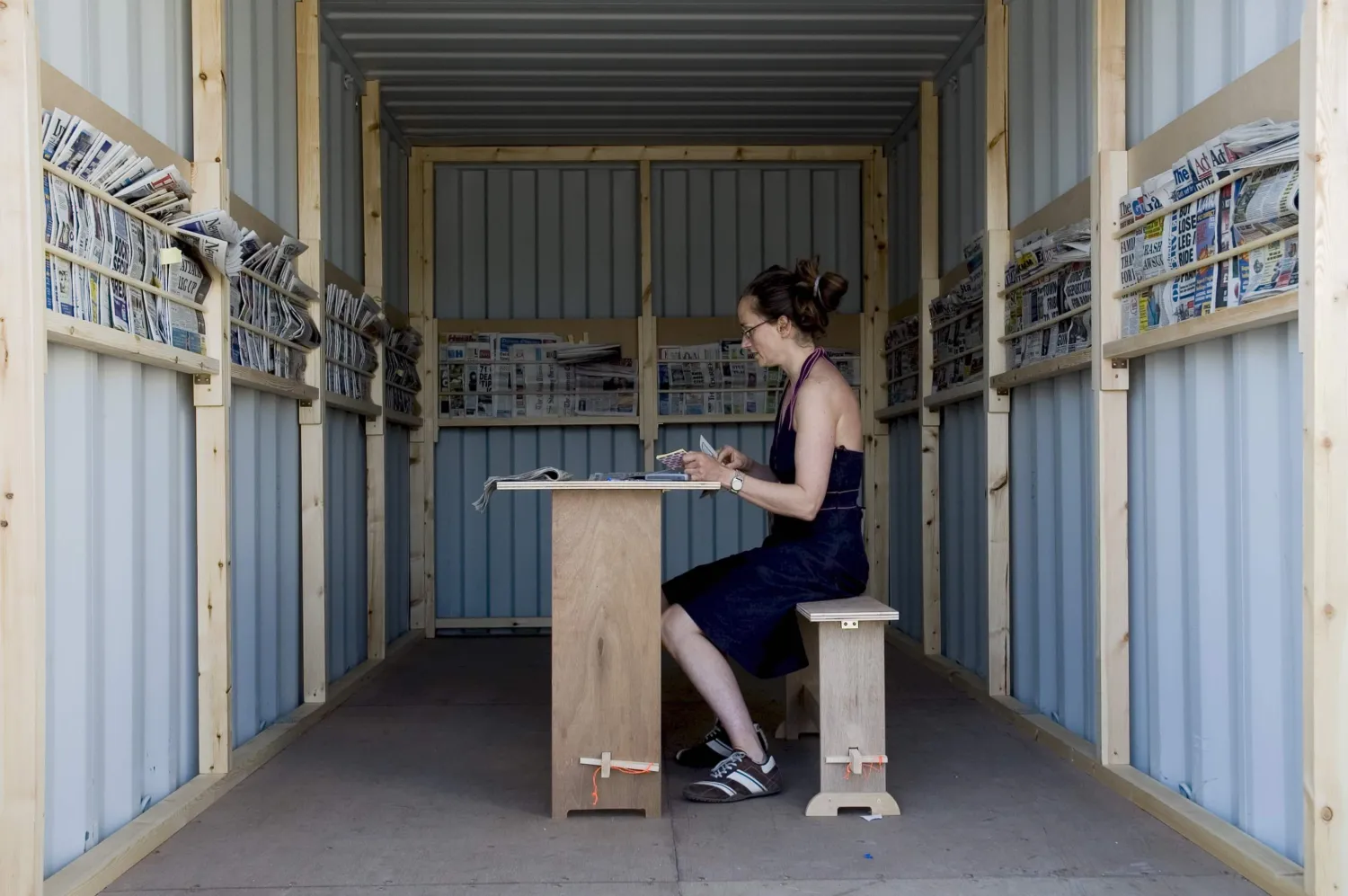
Figure 1: Anna Best, Whitstable, Herne Bay, Dover... (2006). Photo: Simon Steven
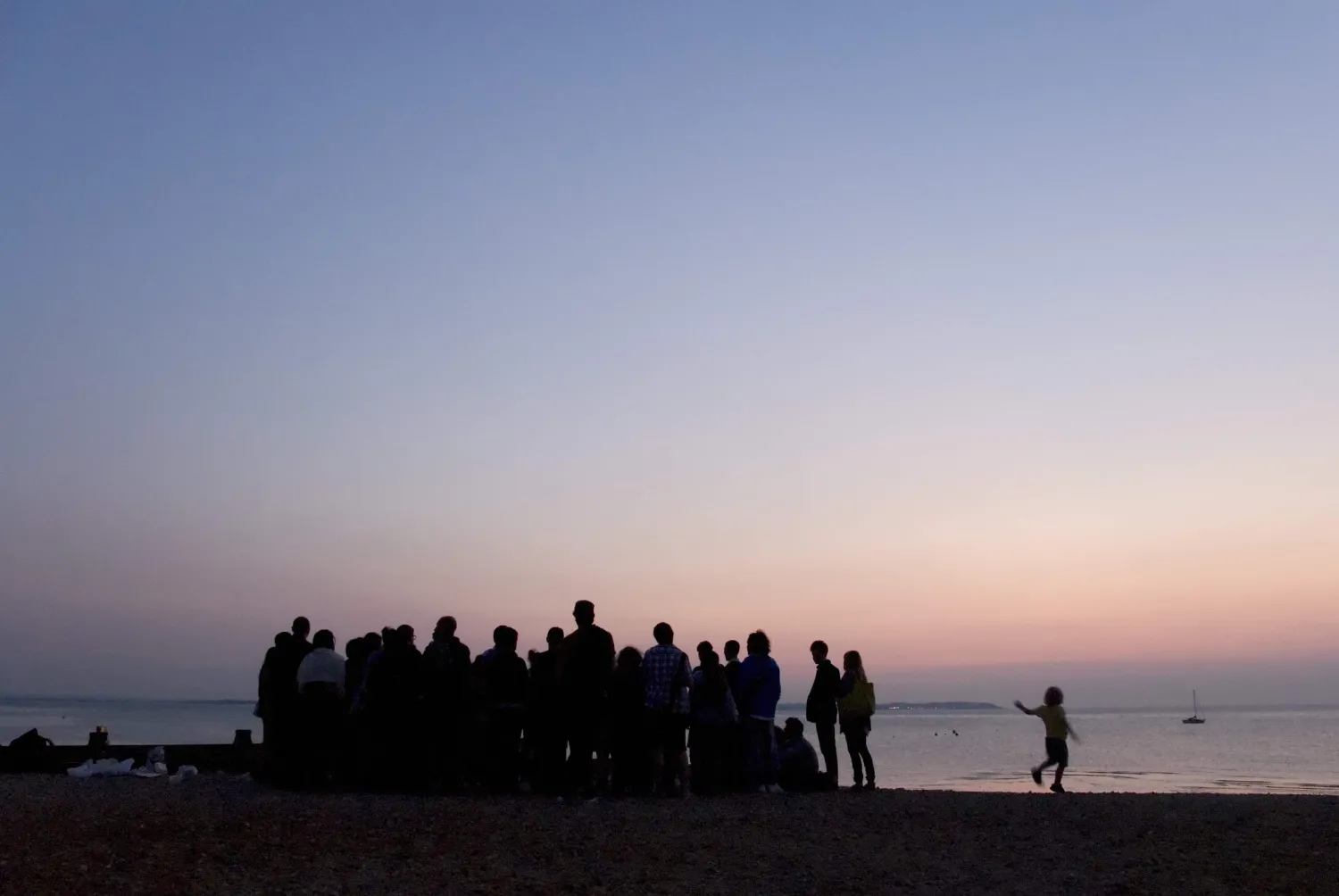
Figure 2: Katie Paterson, All the Dead Stars (2010). Photo: Simon Steven
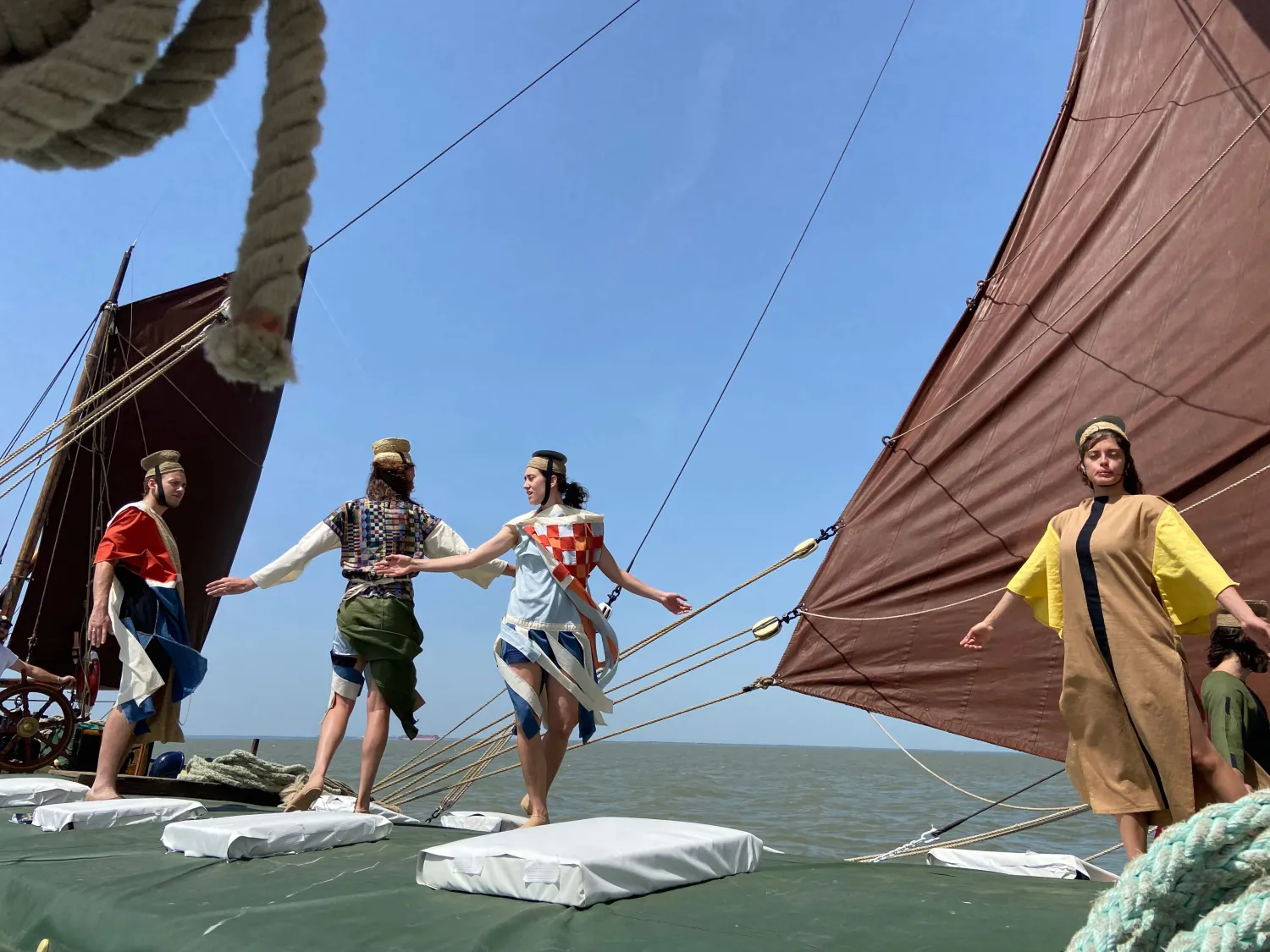
Figure 3: Ben Judd, The Push and the Pull (2022). Photo: Ben Judd
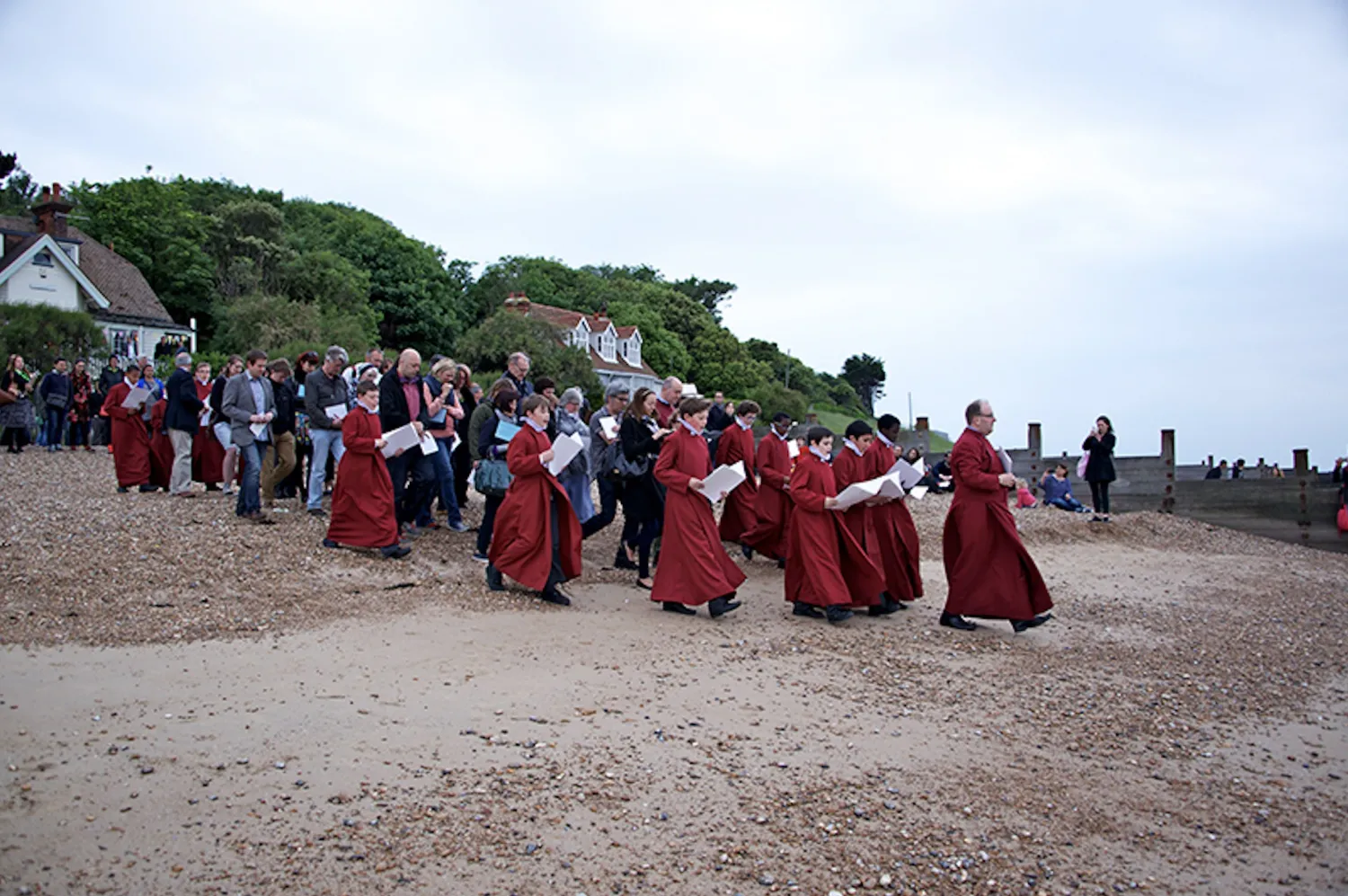
Figure 4: Louisa Fairclough, Compositions for a Low Tide (XXXX). Photo: Bernard G Mills
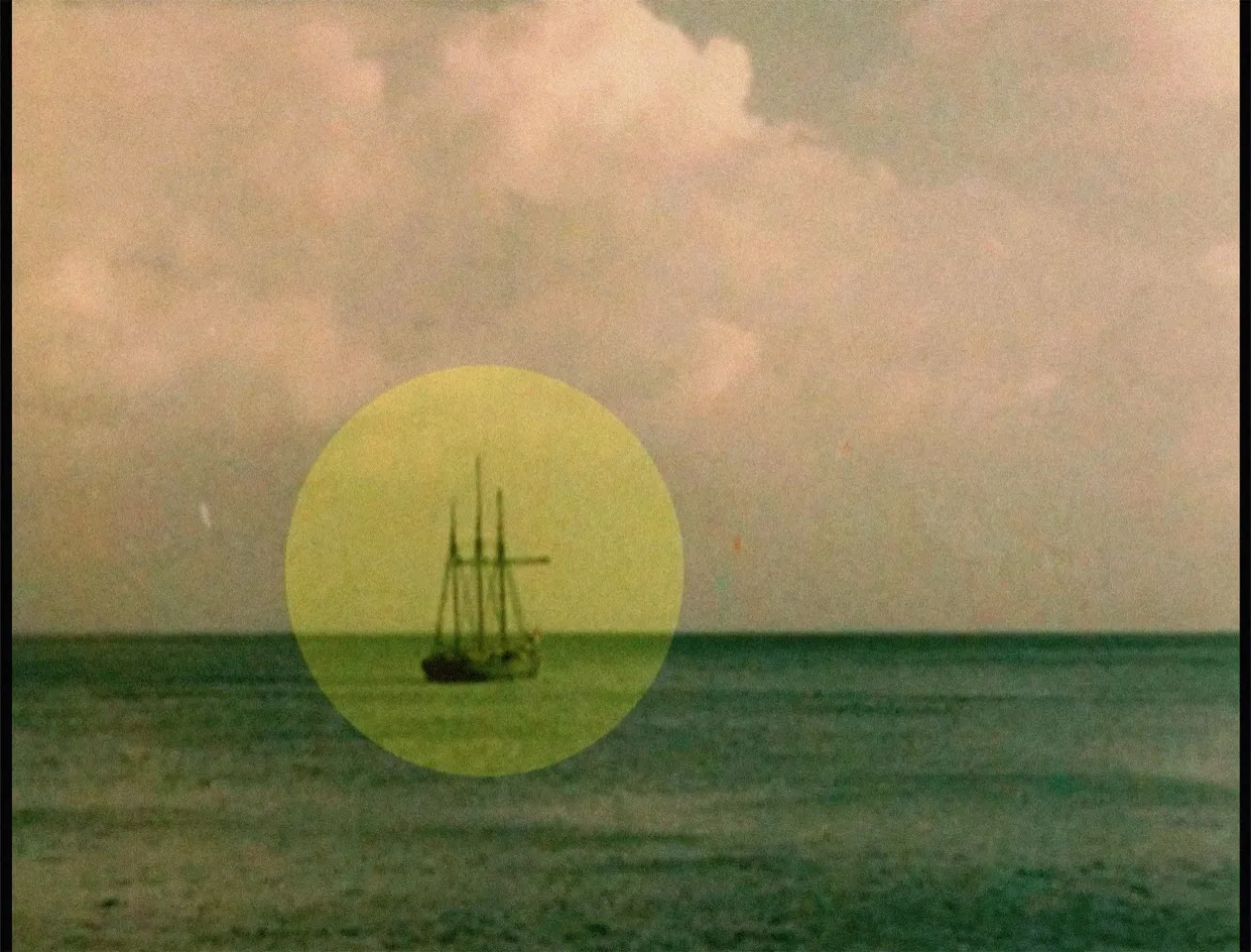
Figure 5: Sarah Wood, Boat People (2016). Video still: courtesy the artist
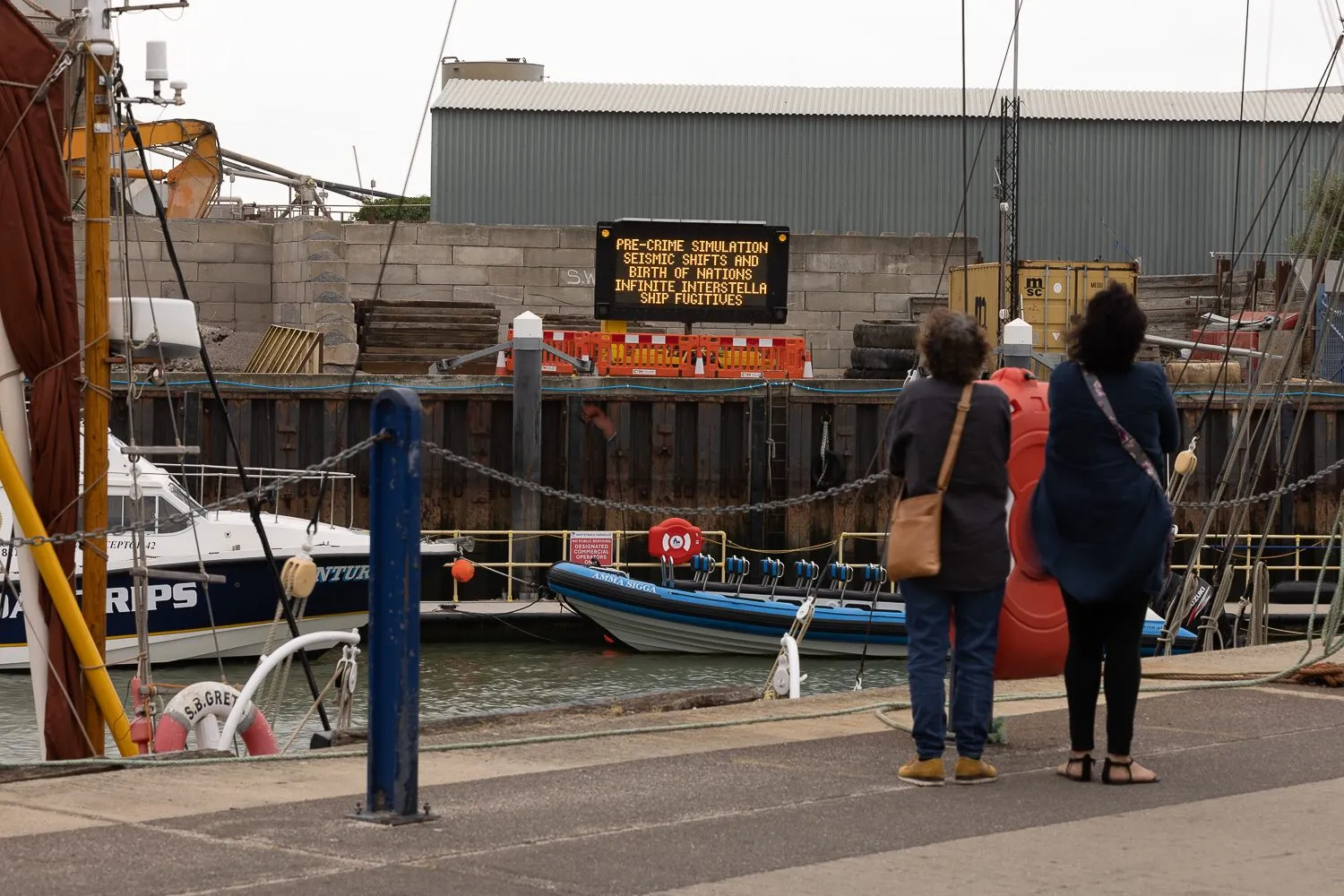
Figure 6: Dipesh Pandya, Muhājir (2022). Photo: Rob Harris
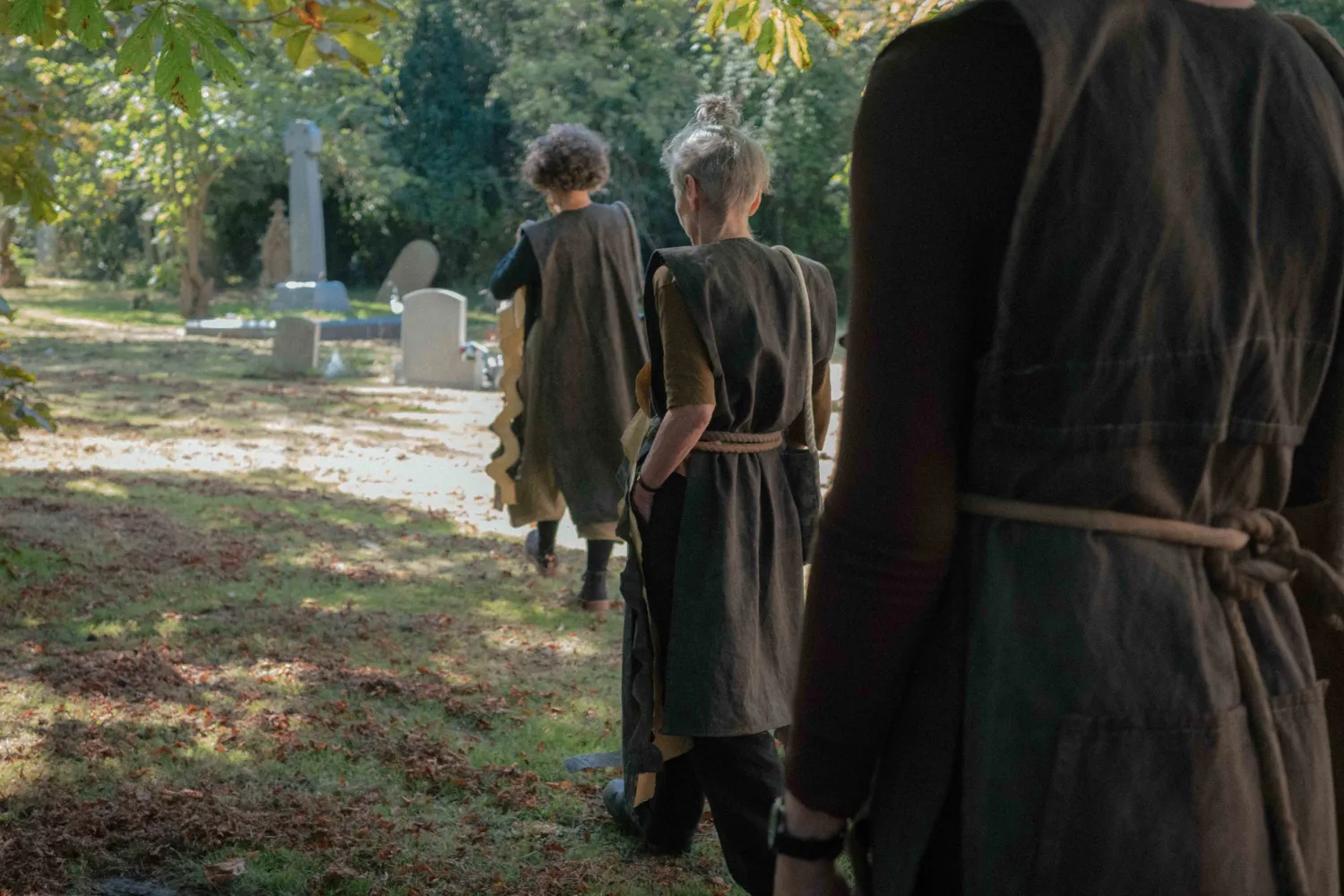
Figure 7: Sara Trillo, Swept Away (2024). Photo: Samuel Taylor
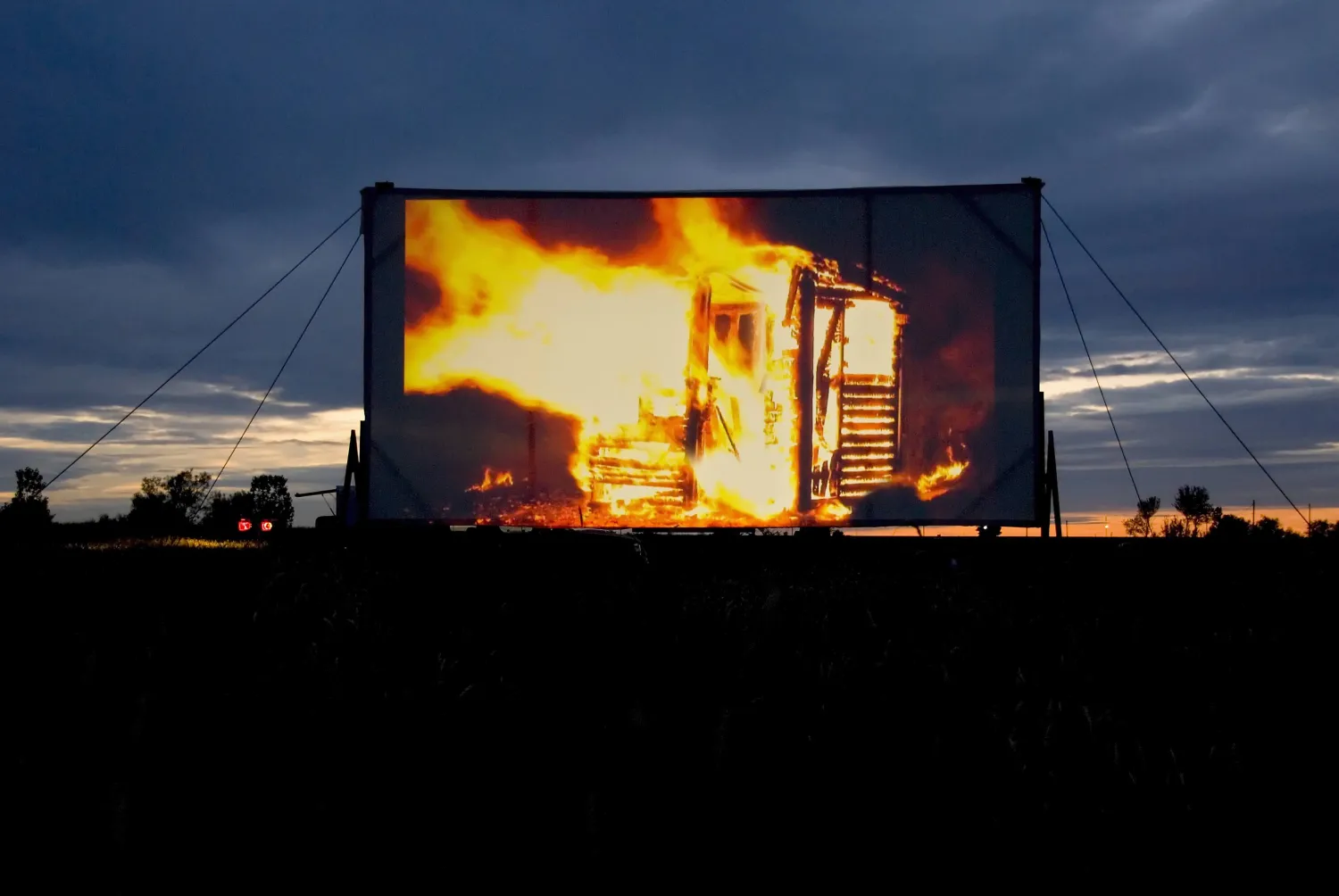
Figure 8: Clio Barnard, Plotlands (2008). Photo: Simon Steven
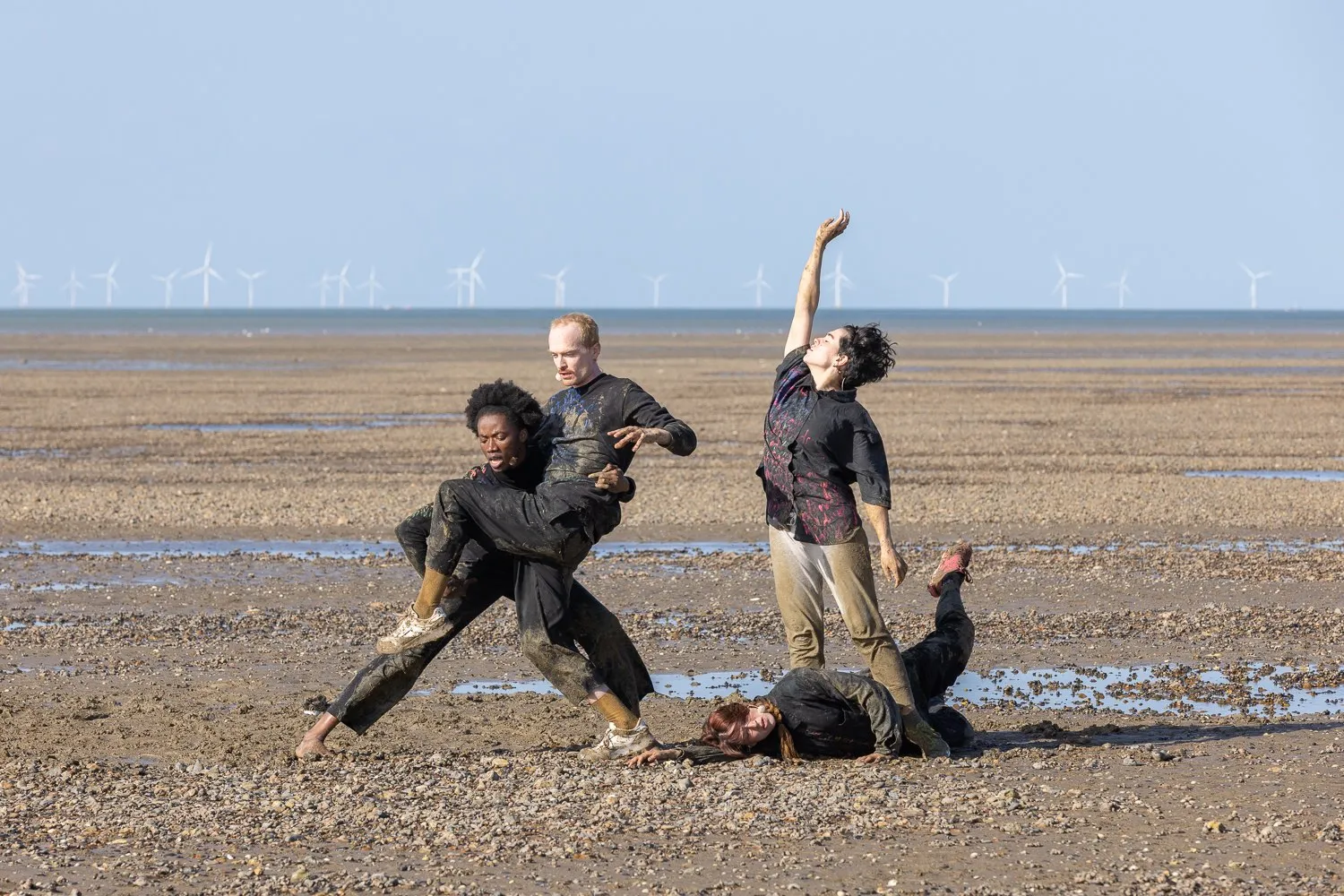
Figure 9: Nicole Bachmann, shell of hope, in cycles (2022). Photo: Rob Harris
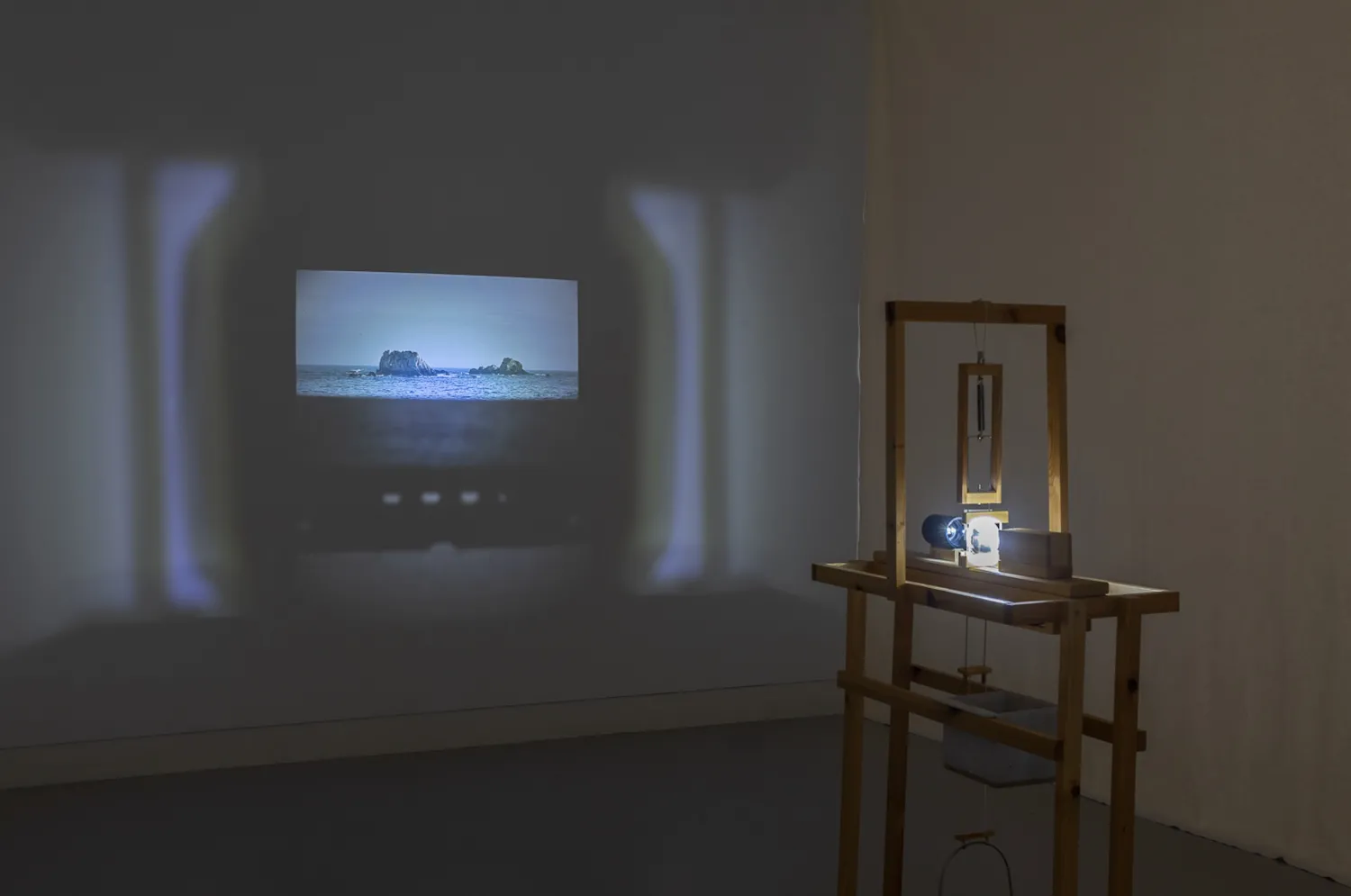
Figure 10: Savinder Bual, Fade (2021). Photo: Rob Harris
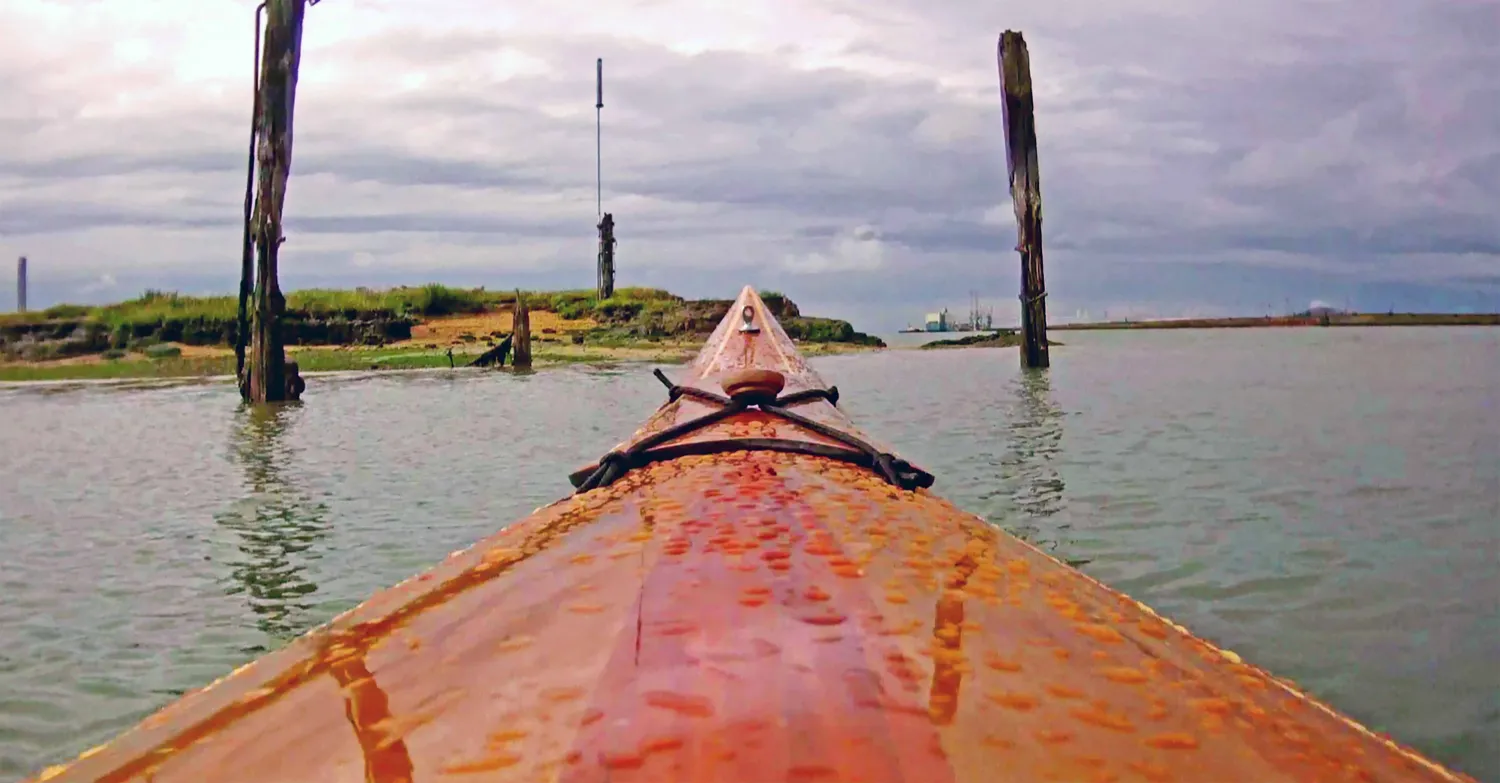
Figure 11: Adam Chodzko, Ghost (2010). Production still from Ghost Archive (I), Approaching Deadman's Island, The Swale: courtesy the artist
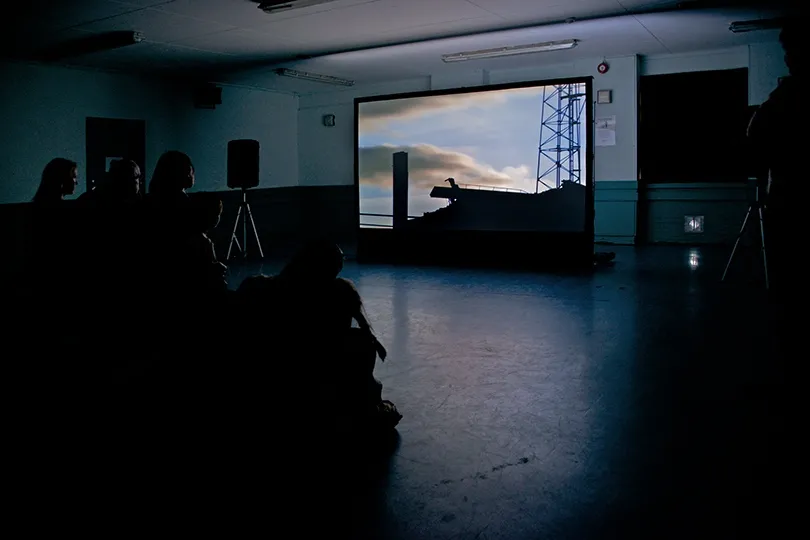
Figure 12: Mikhail Karikis, Ain't Got No Fear (2016). Photo: Bernard G Mills
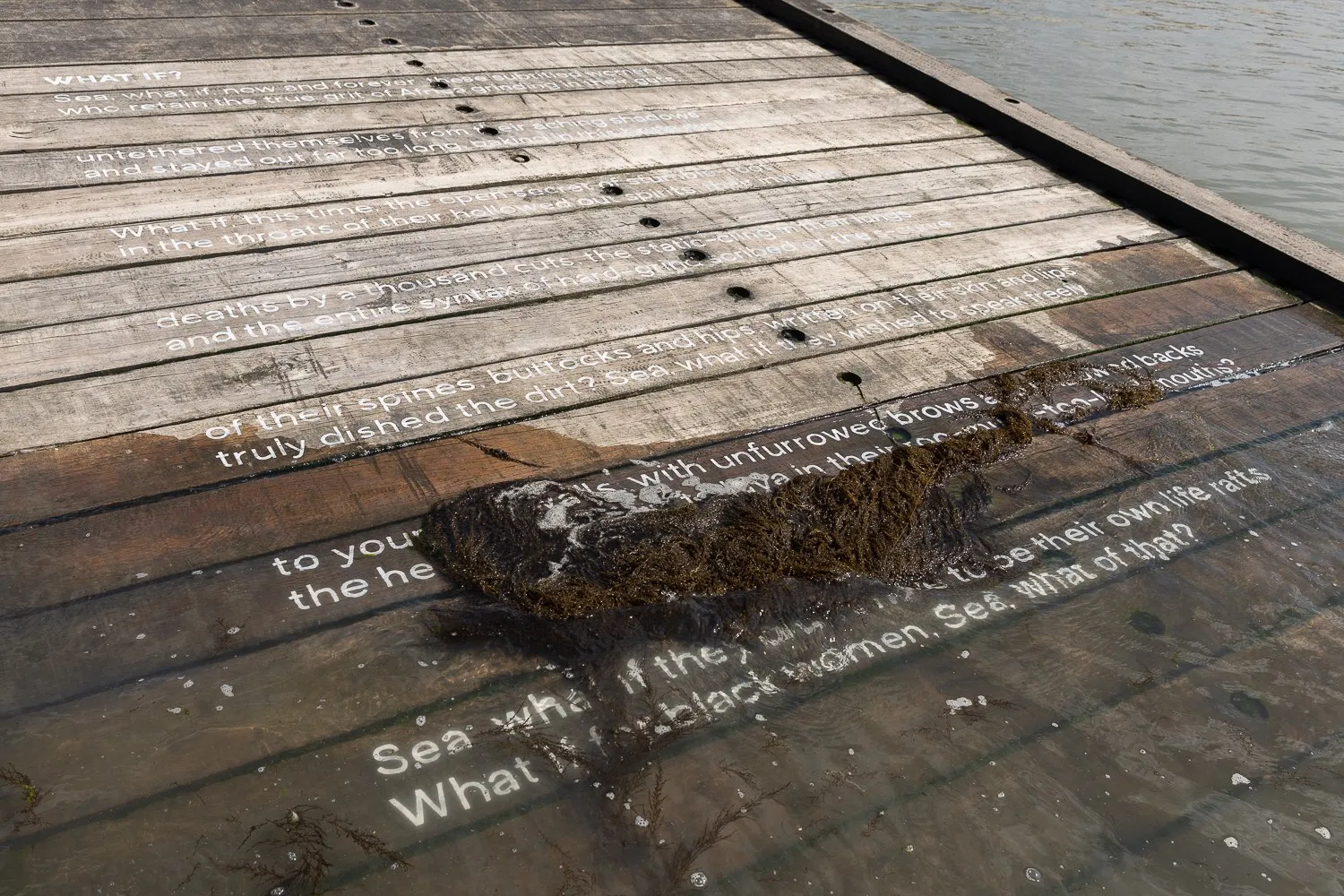
Figure 13: Dzifa Benson, What if? (2022). Photo: Rob Harris
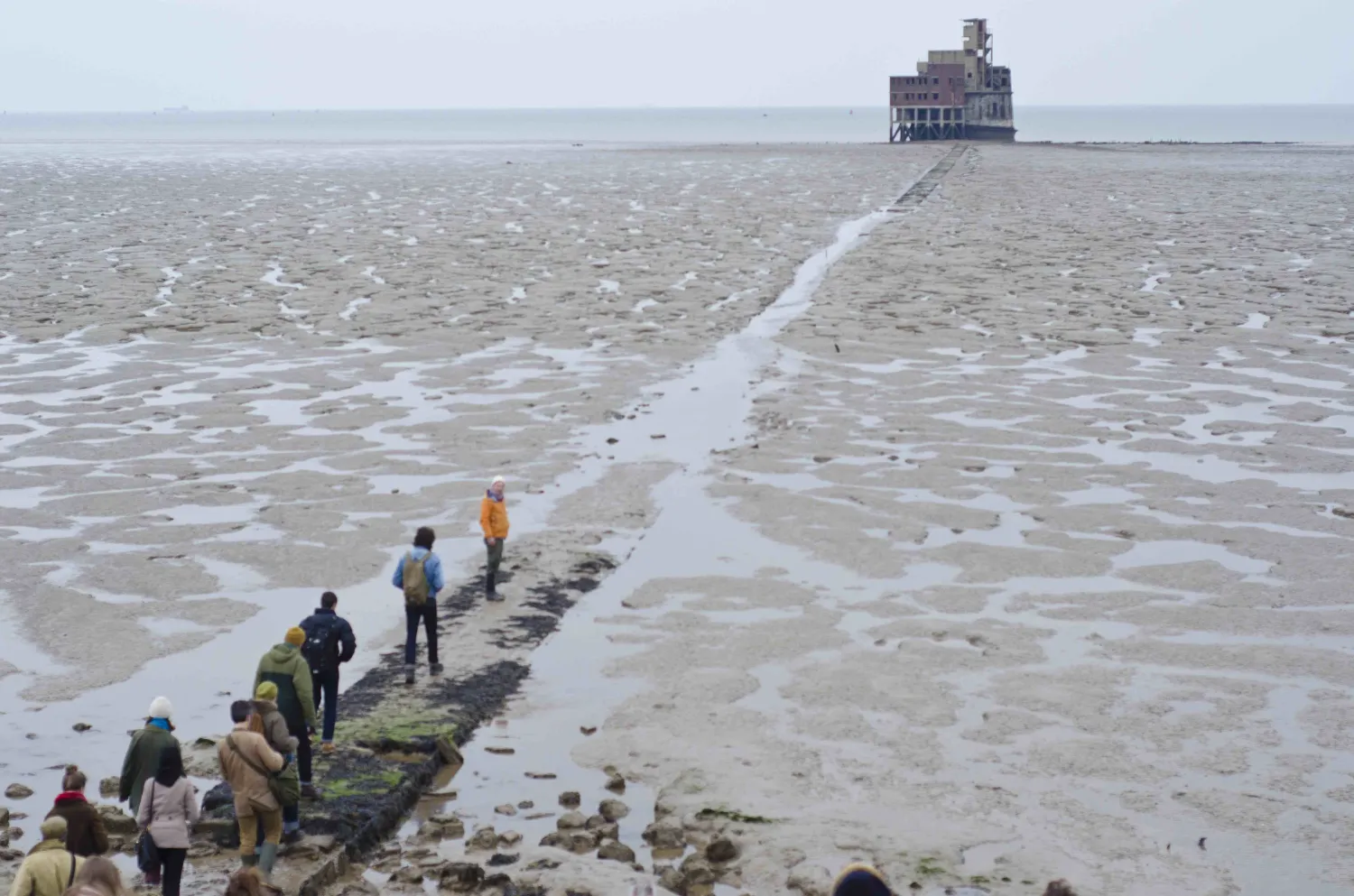
Figure 14: Mike Nelson, Artist Walk #3 Cockleshall Hard (2016). Photo: Matthew de Pulford
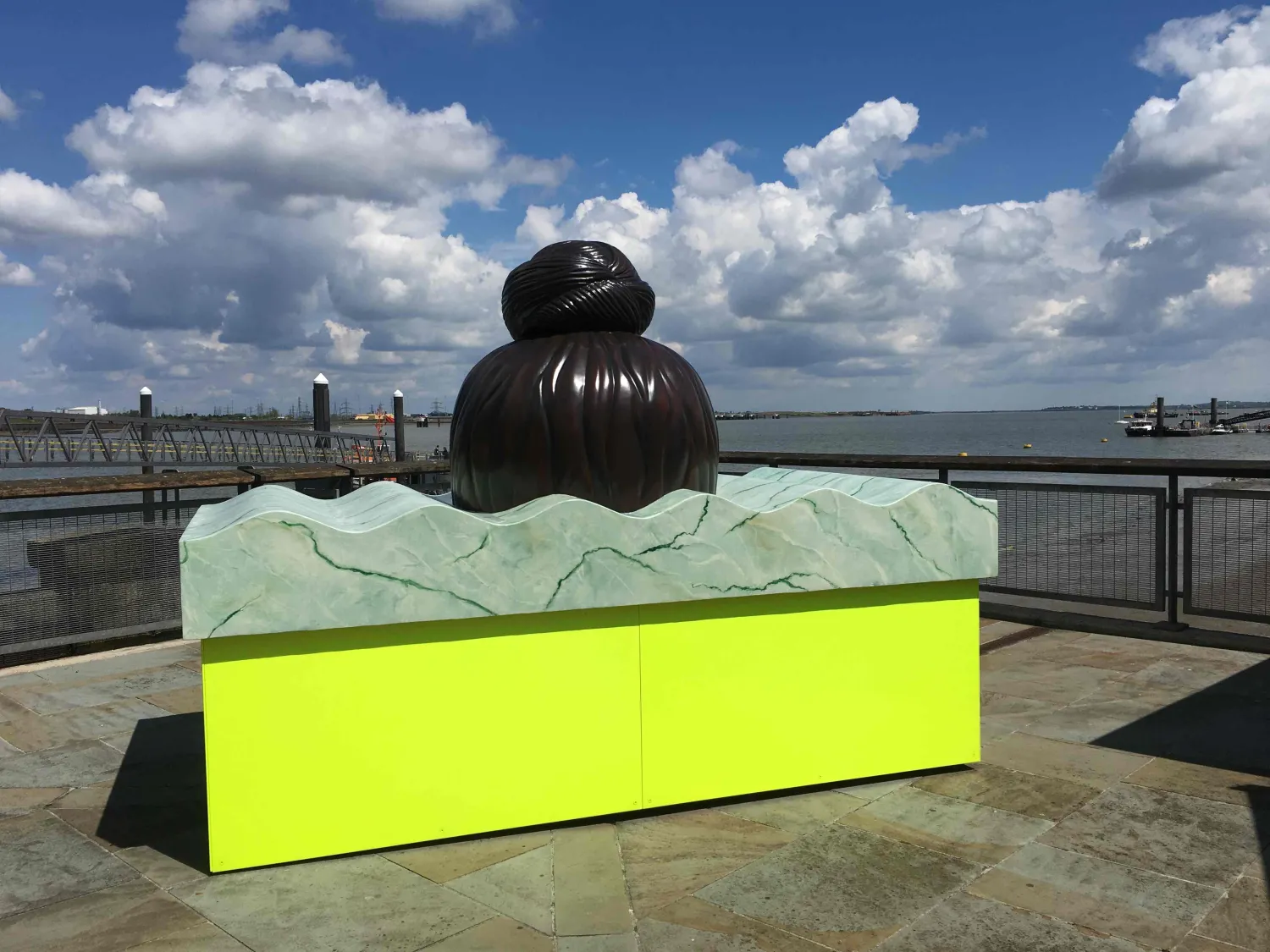
Figure 15: Jasleen Kaur, The first thing I did was to kiss the ground (2021). Photo: Simon Steven
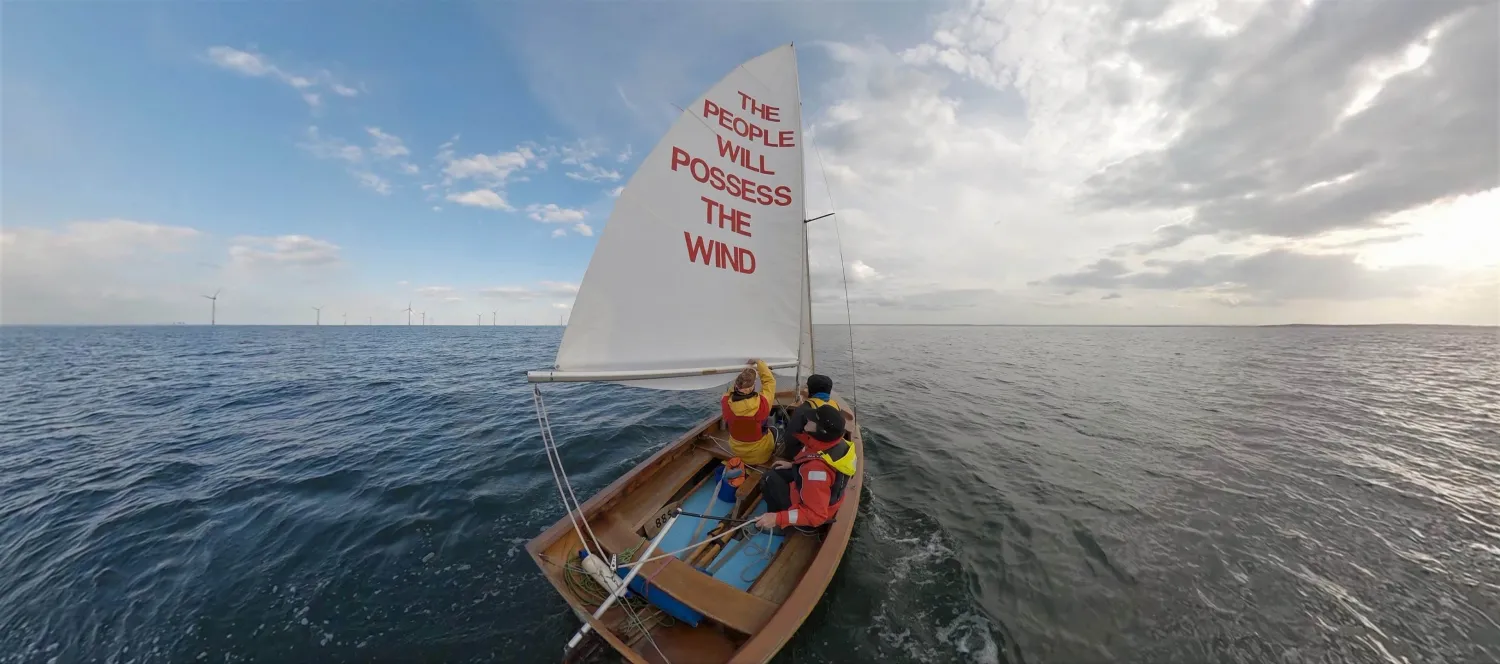
Figure 16: Platform, The People will Possess the Wind (2021). Photo: Richard Hougez, Platform
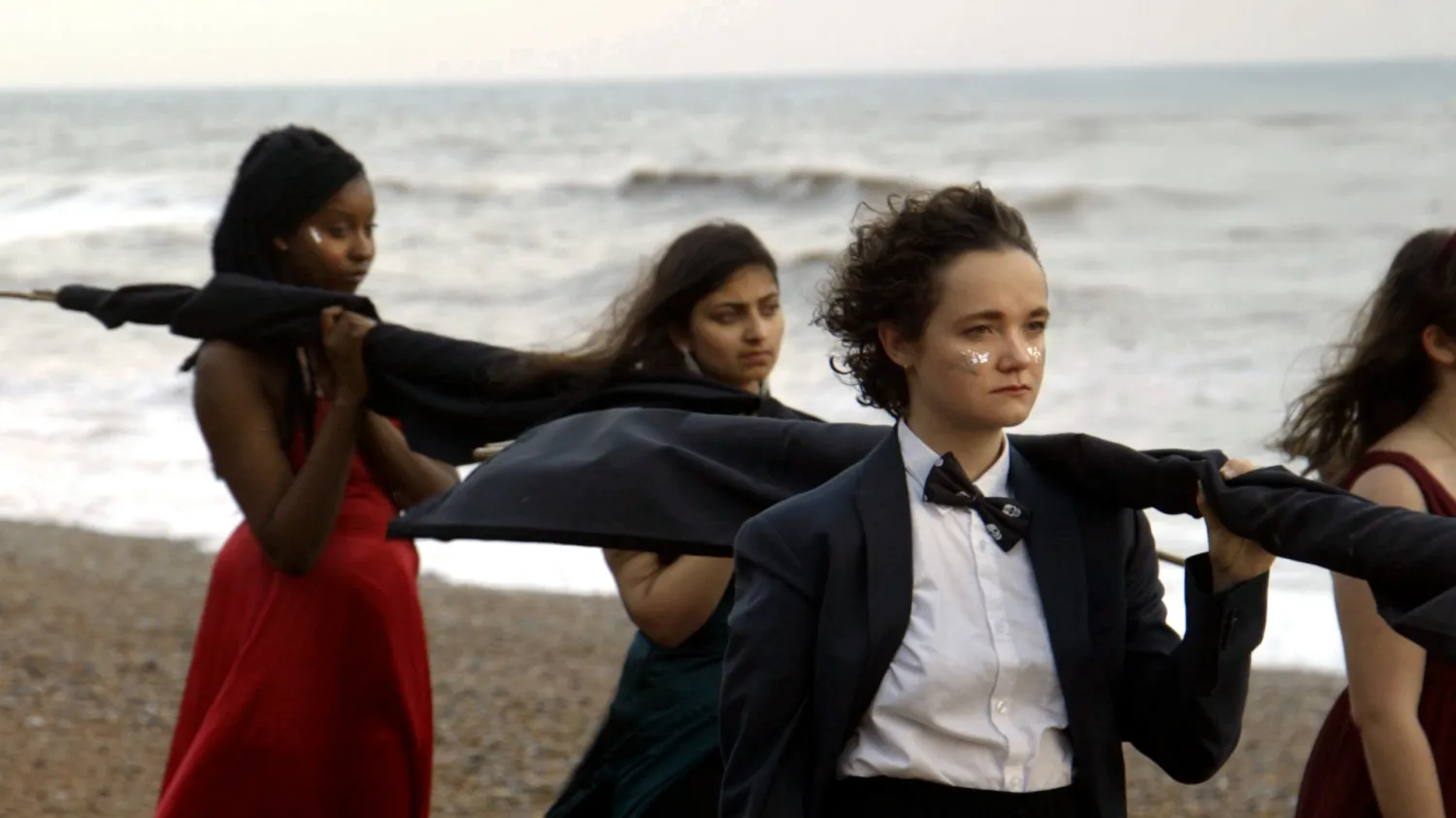
Figure 17: Webb-Ellis, This place is a message (2022). Video still: courtesy the artists
